

Anteverted Uterus: Meaning, Signs & Pregnancy
Understanding your body can feel overwhelming when unfamiliar terms come up, especially during a medical visit. One such term is anteverted uterus, which simply describes the natural uterus position in your body.
The majority of women the uterus tilts slightly forward to some degree, commonly referred to as a forward tilted uterus, and this is entirely natural. The position of such a tilted uterus is comfortable in the pelvic cavity and ensures proper functioning of the reproductive organs.
Yeah It is quite a frequent question whether this position is harmful for health, affects fertility, or brings any other inconveniences in daily activities, but actually it does not.
Table of Contents
Understanding the Anteverted Uterus (Simple Explanation)
The term ‘anteverted uterus‘ indicates the position of the uterus that is tilted slightly towards the bladder. A tilted uterus is in fact a normal state of the uterus. It is positioned properly within the pelvic cavity and stabilized by muscles and ligaments.
If you have any doubts regarding ‘tilted uterus meaning’ or ‘forward tilted uterus normal’, the answer is simple: there is nothing wrong with having a forward tilted uterus. It is simply a physiological condition that allows your reproductive system to work properly.
What Does “Anteverted” Actually Mean?
The word “anteverted” simply means tilted forward. It describes the uterus tilt forward, not a medical condition. Many people confuse it with a problem, but it only explains how uterus position affects body, not something harmful.
Normal Uterus Position vs Tilted Positions
The uterus is an inverted pear-shaped structure located between the bladder and the rectum. In most cases, the female pelvis has structures that favor a forward uterus tilt. This is what is termed as the normal uterus position in the body.
But there exist different uterus tilts, which all correspond to variations in the female pelvis. It is by knowing this that we can be able to explain issues such as normal uterus vs tilted uterus and uterus positions.
Types of Uterus Positions
The most common type is the anteverted uterus. A retroverted uterus tilts backward, while an anteflexed uterus bends more sharply forward. These differences are part of natural body variation.
| Feature | Anteverted Uterus | Retroverted Uterus | Anteflexed Uterus |
|---|---|---|---|
| Direction | Forward tilt | Backward tilt | Sharply forward |
| Commonality | Very common | Less common | Moderate |
| Symptoms | Rare | Sometimes pain | Occasional pressure |
| Health Risk | None | Low | Low |
How Common Is an Anteverted Uterus?
Most women have an anteverted uterus, making it the standard uterine position. Studies show around 70–80% of women have this forward tilted uterus, which answers the question “is anteverted uterus normal” clearly.
Many women don’t even know their uterus position until a doctor mentions it. This is because the tilted uterus usually causes no issues. It simply reflects how the uterus in pelvis naturally aligns.
Causes Behind an Anteverted Uterus
Women are generally born with an anteverted uterus. The shape of the cervix and uterus is determined by genetics and natural factors at birth.
However, certain occurrences in life can affect the uterus’ position. For instance, pregnancy, aging, or slight structural alterations could cause a small change to the tilt of the uterus. This is considered a normal structure in the female pelvis.
Can Uterus Position Change Over Time?
Yes, the uterus can shift. During pregnancy, pregnancy uterus changes may temporarily alter its angle. After childbirth, it usually returns to its original position, maintaining healthy fertility health.
Signs and Symptoms You May Notice
Most women will have nothing unusual with a uterus that tilts forward. Some may have minor aches in the pelvic region or lower abdominal region especially if the angle of tilting is severe.
Do you want to know if a uterus that tilts forward causes pain or any symptoms of a tilted uterus? No, they normally don’t. On very rare occasions, some women may feel pelvic pressure, painful menstruation or intercourse.
Possible Symptoms (Rare Cases)
Some women report “why do I feel pelvic pressure” or “pain during sex uterus position.” These symptoms are uncommon and often linked to other conditions, not just the uterine position.
How Doctors Diagnose Uterus Position
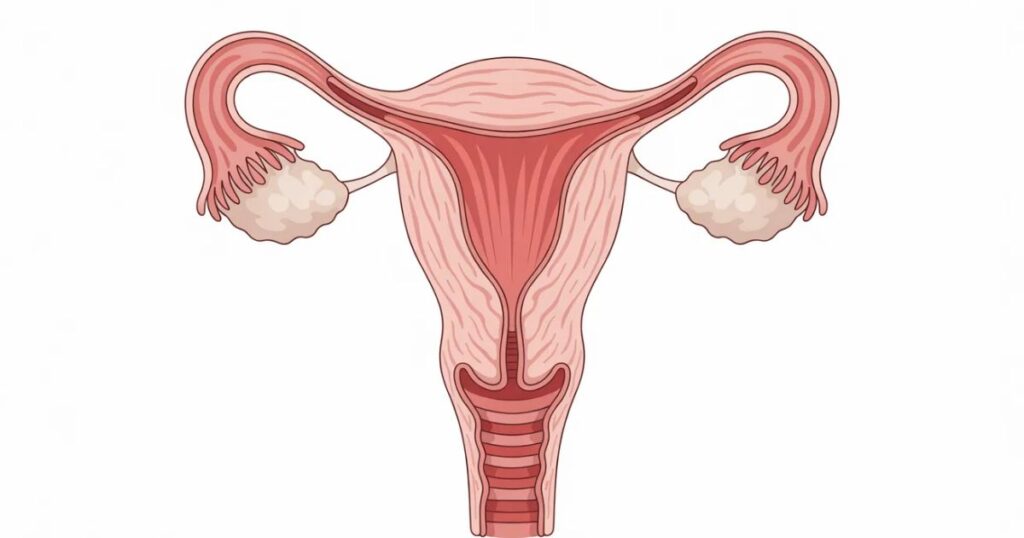
Doctors can easily identify an anteverted uterus during a routine visit. A simple gynecological exam or pelvic exam helps determine the exact uterus orientation.
If needed, imaging tests provide a clearer view. This answers common concerns like “how to know uterus position” and “how doctors check uterus position.”
Step-by-Step Diagnosis Process
A pelvic exam for uterus is usually the first step. In some cases, a transvaginal ultrasound or ultrasound for uterus tilt confirms the diagnosis and ensures proper reproductive health checkup.
Does an Anteverted Uterus Affect Fertility or Pregnancy?
An anteverted uterus will not stop you from conceiving. It is important for you to understand that if you wonder whether it is possible for you to conceive with an anteverted uterus, the response is a clear yes. The reproductive system of females works normally.
The uterus increases in size during pregnancy. There are several examples of women who successfully conceived, proving whether it is safe to conceive if you have an anteverted uterus.
What Happens During Pregnancy?
During pregnancy, normal pregnancy uterus alterations happen. They do not cause any problems with conceiving and help have a successful pregnancy with tilted uterus.
Treatment, Care, and Consultation with Doctor
It is not necessary to treat an anteverted uterus. Should you wonder if anteverted uterus requires any kind of treatment or is it dangerous, it is absolutely harmless and completely normal.
Nevertheless, you should take care of yourself. You can guarantee that your reproductive system remains healthy by visiting your doctor periodically.
When to Visit Your Doctor
If you experience any pain, bleeding, or discomfort, ask yourself, “When should I see a doctor for pelvic pain?” Visiting your doctor will also teach you how to maintain your uterus.
Anteverted vs Anteflexed vs Retroverted Uterus
Understanding the difference between positions clears confusion. Many people search for “anteverted vs retroverted uterus” or “difference between anteflexed and anteverted uterus.”
Each type reflects a different uterus orientation, not a disease. Knowing these types of uterus positions helps you better understand your body.
| Feature | Anteverted | Anteflexed | Retroverted |
|---|---|---|---|
| Tilt Direction | Forward | Sharply forward | Backward |
| Pressure Level | Low | Moderate | Sometimes higher |
| Fertility Impact | None | None | Minimal |
Common Myths and FAQs About Anteverted Uterus
Many myths surround the anteverted uterus, causing unnecessary worry. People often ask “is tilted uterus dangerous” or assume it affects health, which isn’t true.
Understanding facts helps remove fear. Questions like “what is an anteverted uterus” and “is anteverted uterus normal” have simple answers based on science.
FAQs
| Question | Answer |
|---|---|
| Can it cause pain? | Rarely, and usually mild |
| Does it affect pregnancy? | No |
| Is treatment needed? | No |
| How is it diagnosed? | Pelvic exam or ultrasound |
Conclusion
An anteverted uterus is an ordinary and common position of the uterus. It neither hurts your body nor affects your chances of becoming pregnant. Being aware of your pelvic organs will make you feel more comfortable with yourself.
Should you be worried, all you need is a quick examination. What matters most is that knowing your body eliminates fear and instills confidence.
About the Author:
Dr. Jason is a health content writer who knows a lot about researching Fitness, Nutrition, and Medical related topics. He focuses on giving clear, correct, and research-based information from reliable trusted sources.
