

What Is Exsanguination?
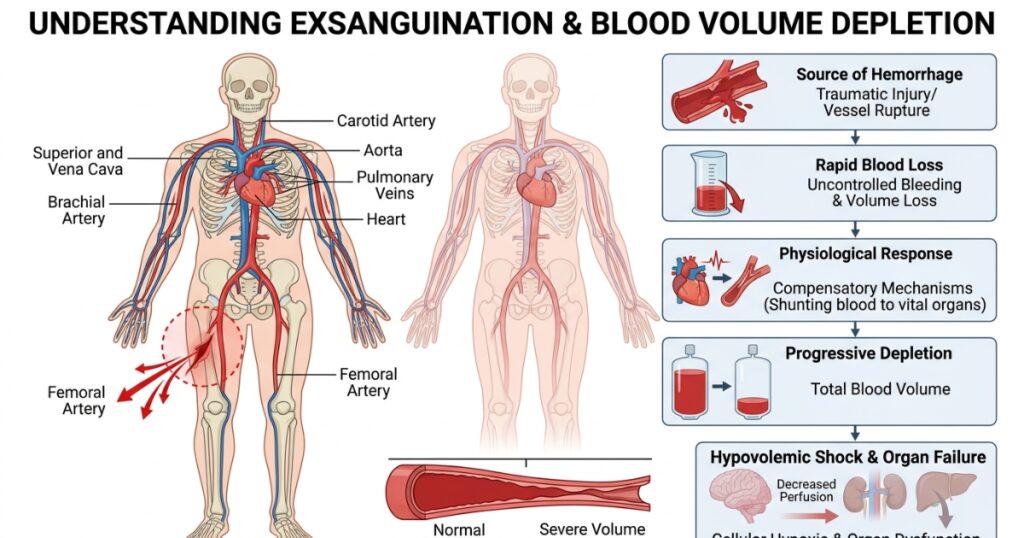
Exsanguination is a critical medical emergency that occurs when the body loses a dangerous amount of blood in a short time. Understanding what is exsanguination helps you recognize how quickly severe blood loss can disrupt vital functions.
Blood plays a key role in delivering oxygen, so even rapid blood loss can lead to organ damage. This condition may result from trauma, surgery, or hidden internal bleeding, making it harder to detect early.
In many cases, life-threatening bleeding progresses silently until symptoms become severe. Knowing the warning signs and acting fast can make a life-saving difference when every second truly counts.
Table of Contents
Understanding Exsanguination and How It Affects the Body
What is exsanguination frequently confuses people, but it really approach extreme blood loss that drains the body’s ability to characteristic. Blood includes oxygen, nutrients, and warmth. while fast blood loss starts, the frame struggles to hold pressure, leading to blood extent loss and decreased oxygen delivery to organs.
As the situation worsens, lifestyles-threatening bleeding disrupts critical systems. The coronary heart races to compensate, but oxygen deprivation soon follows. This explains how exsanguination ends in shock and highlights the early consequences of losing an excessive amount of blood, specially while each internal bleeding and external bleeding occur together.
Exsanguination vs Hemorrhage
Many confuse fashionable bleeding with exsanguination. Hemorrhage may be slight or extreme, but exsanguination alerts large blood loss attaining essential ranges. the key difference lies inside the degrees of blood loss and the way quickly the body fails, increasing the organ failure chance and chance of disintegrate.
How Fast Can Exsanguination Occur?
Speed makes this condition deadly. In cases like car accident injuries or puncture wounds, rapid blood loss can lead to collapse within minutes. The answer to how much blood loss is dangerous depends on injury severity, but losing over 30–40% of blood volume often triggers critical instability.
However, slower cases exist. Hidden internal bleeding from ruptured blood vessels or aneurysm rupture may go unnoticed for hours. This delay increases confusion and risk. Understanding when to seek emergency help for bleeding becomes crucial because even delayed symptoms can quickly escalate into fatal bleeding.
Major Causes of Exsanguination
Trauma remains the leading issue. occasions like place of work injuries, deep lacerations, and trauma injuries frequently cause external bleeding that is seen and instantaneous. on the equal time, hidden harm from car coincidence accidents can cause risky internal bleeding with out apparent warning symptoms.
Clinical and chemical causes additionally play a position. Surgical complications, defective drugs aspect results, and scientific malpractice injuries can trigger surprising large blood loss. these conditions highlight foremost danger factors for extreme bleeding and explain the wide range of reasons of hemorrhagic shock seen in emergency rooms.
Scientific situations that can lead to severe Blood Loss
Positive illnesses growth vulnerability. Blood clotting problems save you right recovery, at the same time as gastrointestinal bleeding slowly drains the body through the years. conditions like postpartum hemorrhage remain a primary problem in maternal fitness across the us.
Different hidden threats encompass aneurysm rupture and fragile arteries that lead to ruptured blood vessels. those situations frequently progress silently. spotting signs and symptoms of internal bleeding early can prevent escalation into existence-threatening bleeding and decrease the long-time period organ failure danger.
Signs and Symptoms of Life-Threatening Blood Loss
The body sends clean warnings. Early symptoms of excessive blood loss include dizziness, weakness, and light pores and skin. As blood extent loss will increase, breathing will become speedy and shallow. these signs and symptoms mirror the body’s conflict to preserve oxygen deliver.
Later stages end up critical. Confusion, fainting, and chest ache seem as oxygen deprivation worsens. these are clean symptoms of internal bleeding or severe trauma. performing speedy throughout these tiers improves survival chances after blood loss and prevents mind damage because of blood loss.
Emergency Treatment and Medical Response
Immediate action saves lives. the first step in any emergency response for bleeding is stopping seen bleeding and calling for emergency medical care. applying stress helps slow external bleeding, at the same time as professionals take care of deeper injuries.
Health center care specializes in remedy for blood loss via transfusions and surgical procedure. medical doctors restore flow and prevent complications. quick response reduces complications of big bleeding and improves outcomes, mainly while trauma teams act in the first crucial hour.
Complications, Risks, and Long-Term Effects
Unchecked bleeding causes serious harm. Complications of massive bleeding include organ shutdown and brain injury due to blood loss. When tissues lose oxygen, permanent damage occurs. In severe cases, gangrene and amputation may become necessary.
Long-term outcomes vary. Survivors may face long-term disability after injury and lasting cognitive issues. The long-term effects of hemorrhagic shock often include fatigue and reduced organ function, highlighting the lasting impact of massive blood loss on overall health.
Legal and Compensation Considerations (If Applicable)
When negligence plays a role, legal action becomes important. Victims of medical malpractice injuries or unsafe workplaces may pursue legal compensation for injury claims. This includes recovery for medical expenses after severe injury and lost income.
Proving fault requires strong evidence. Understanding how to prove negligence in injury claims helps victims secure fair outcomes. Courts may award damages in personal injury cases, including pain and suffering compensation. In fatal cases, families may file wrongful death claims linked to preventable fatal bleeding.
Table: Stages of Blood Loss and Effects
| Stage | Blood Loss % | Key Effects |
|---|---|---|
| Stage 1 | Up to 15% | Mild symptoms, stable condition |
| Stage 2 | 15–30% | Increased heart rate, anxiety |
| Stage 3 | 30–40% | Confusion, low blood pressure |
| Stage 4 | 40%+ | Shock, organ failure, death risk |
Final Thoughts
Knowing what is exsanguination can save lives. This situation develops rapid, but attention changes outcomes. Spotting signs, acting quick, and in search of care reduces risks. whether or not clinical or prison, knowledgeable decisions protect both fitness and future stability.
About the Author:
Dr. Jason is a health content writer who knows a lot about researching Fitness, Nutrition, and Medical related topics. He focuses on giving clear, correct, and research-based information from reliable trusted sources.
